 Nature Reach
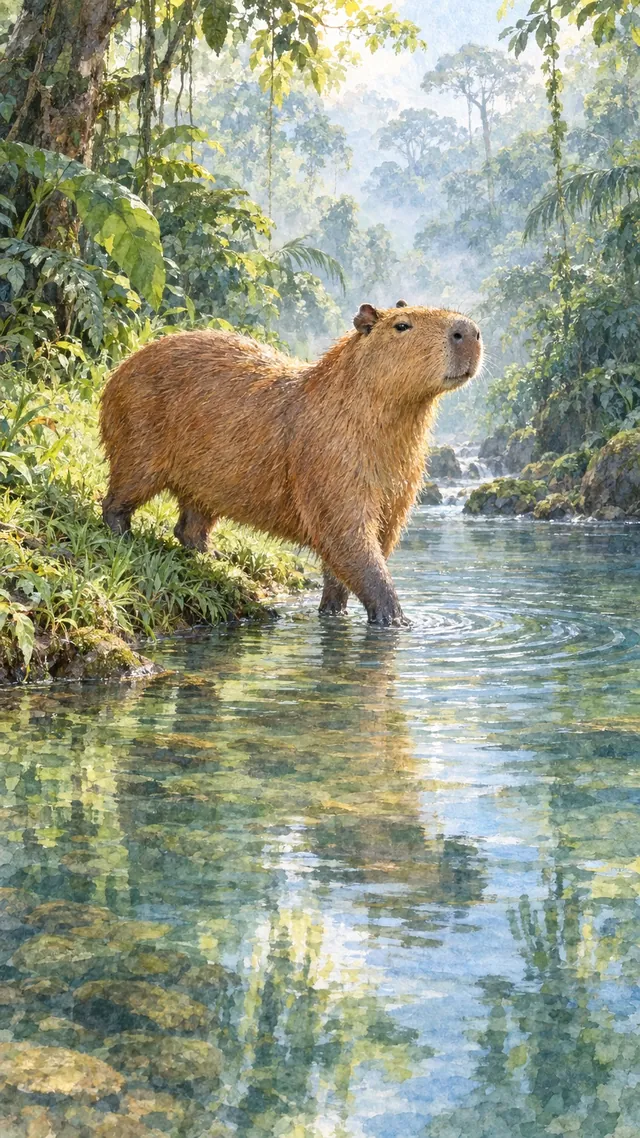
A large rodent at home beside water
Meet the capybara on the riverbank
Hydrochoerus hydrochaeris
A capybara grazes on the bank, then steps into the water. Food on land and a place to swim are both important parts of its home.
Listen in Nature Reach
These are the same real voice recordings children hear in the app.
Grassy banks and South American wetlands
This page introduces Hydrochoerus hydrochaeris, the greater capybara found east of the Andes, including the Amazon basin. It lives near rivers, marshes and other wetlands with vegetation to eat and water close by.
Grazing on land, cooling in water
Capybaras live beside rivers, marshes and wetlands. They graze on land, then enter the water to swim and cool down.
Three things to notice
- The capybara is the world’s largest living rodent.
- Capybaras usually live in groups and may retreat into water when danger approaches.
- Their eyes, ears and nostrils sit high on the head, so these can remain above water while most of the body is submerged.
Water for shelter, predators nearby
Using rivers and streams
Water gives capybaras a place to swim, cool down and hide from danger. Suitable waterways are an essential part of their habitat.
Prey for jaguars
Jaguars hunt capybaras in South America. This connects a large grazing rodent to one of the rainforest’s major predators.
Find the capybara in Nature Reach
Open the free rainforest map and find the capybara beside the stream. Listen together and discover why water is such an important part of its home.
Explore the rainforest

Meet another species

Sloth
Bradypus spp.
A sloth hangs beneath a branch, then reaches slowly towards the next one. The treetops provide both its leafy meals and much of its living space.
Meet this species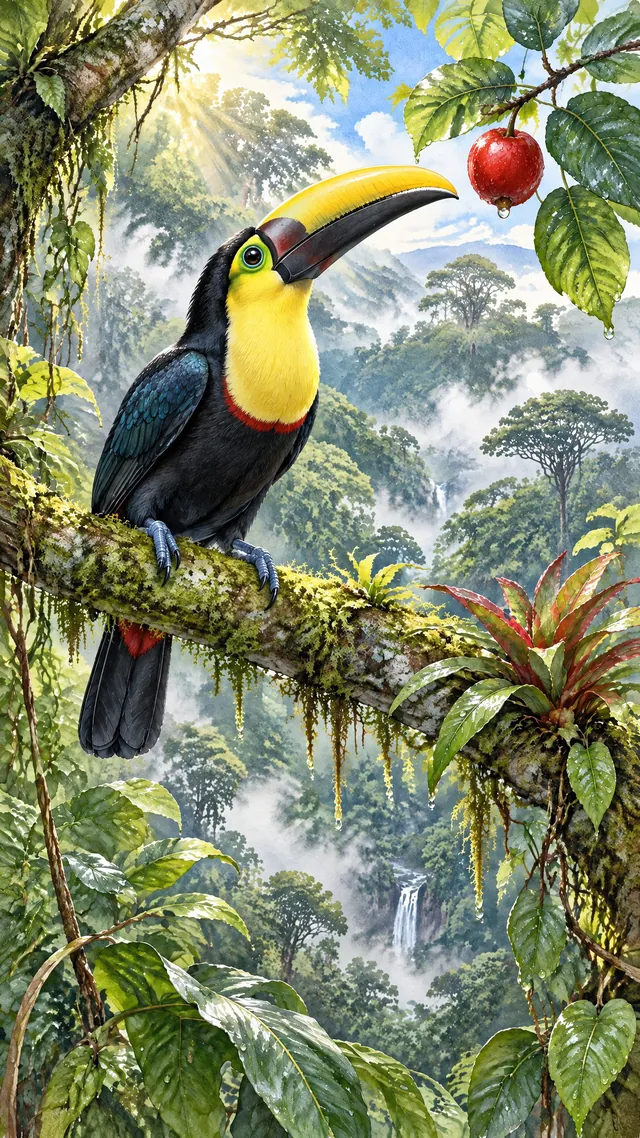
Toucan
Ramphastos ambiguus
A toucan reaches towards a fruit with its large bill. After the meal, some of the fruit’s seeds can travel with the bird to another part of the forest.
Meet this species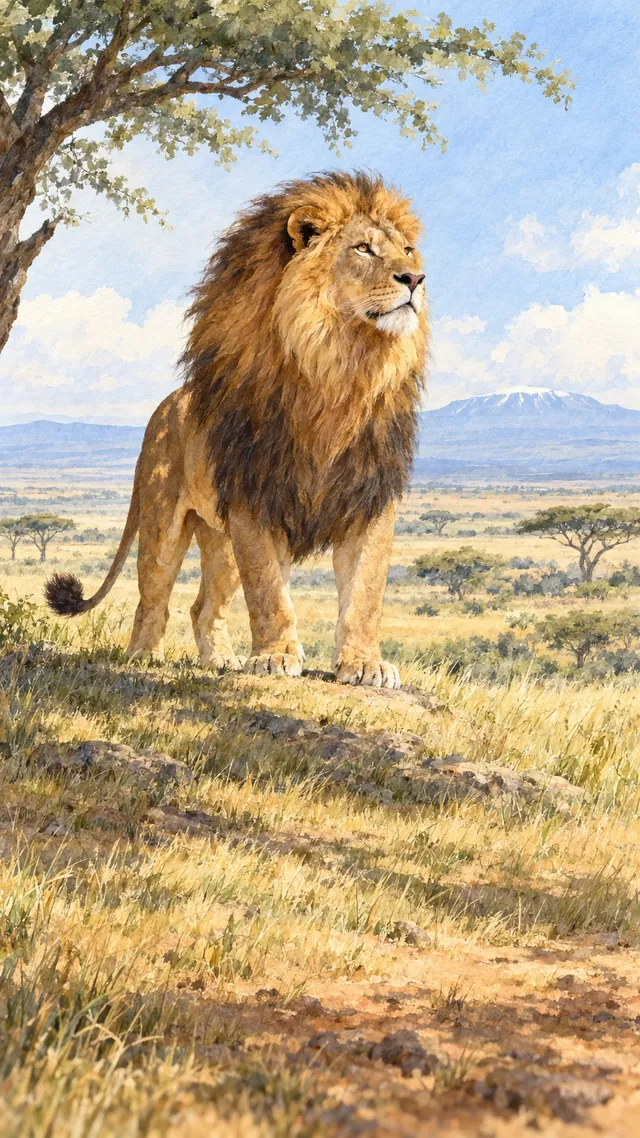
Lion
Panthera leo
A lion resting under a tree gives us one glimpse of its day. Later, as daylight fades, the pride may become much more active.
Meet this species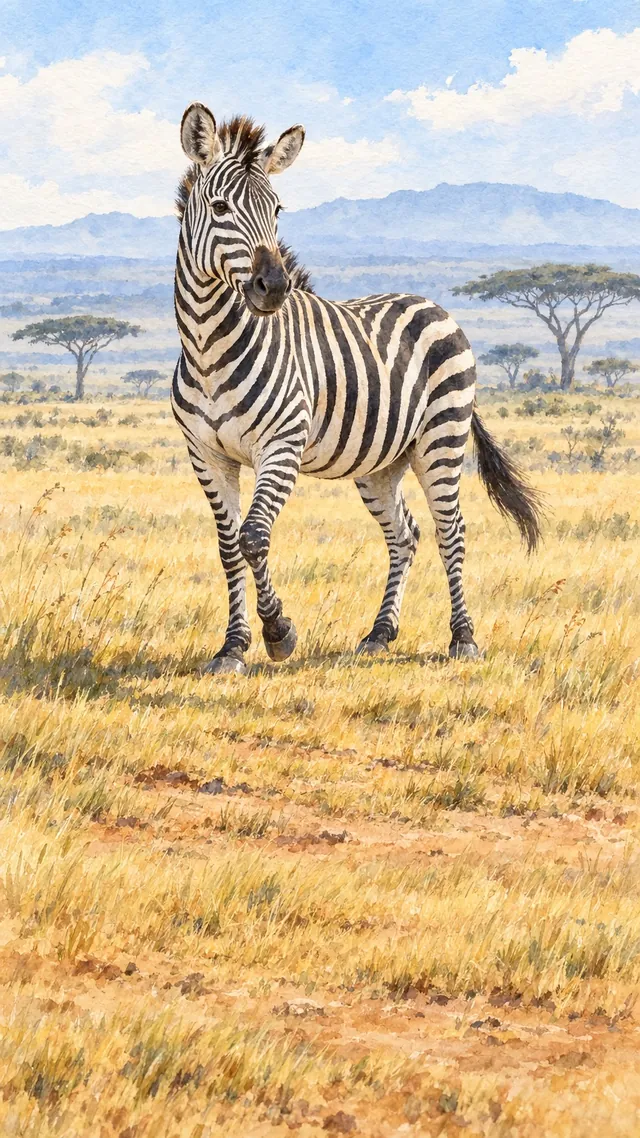
Zebra
Equus quagga
A zebra's coat is covered in stripes, but the pattern is its own. Look beyond the stripes to discover a life spent grazing and moving with other zebras.
Meet this species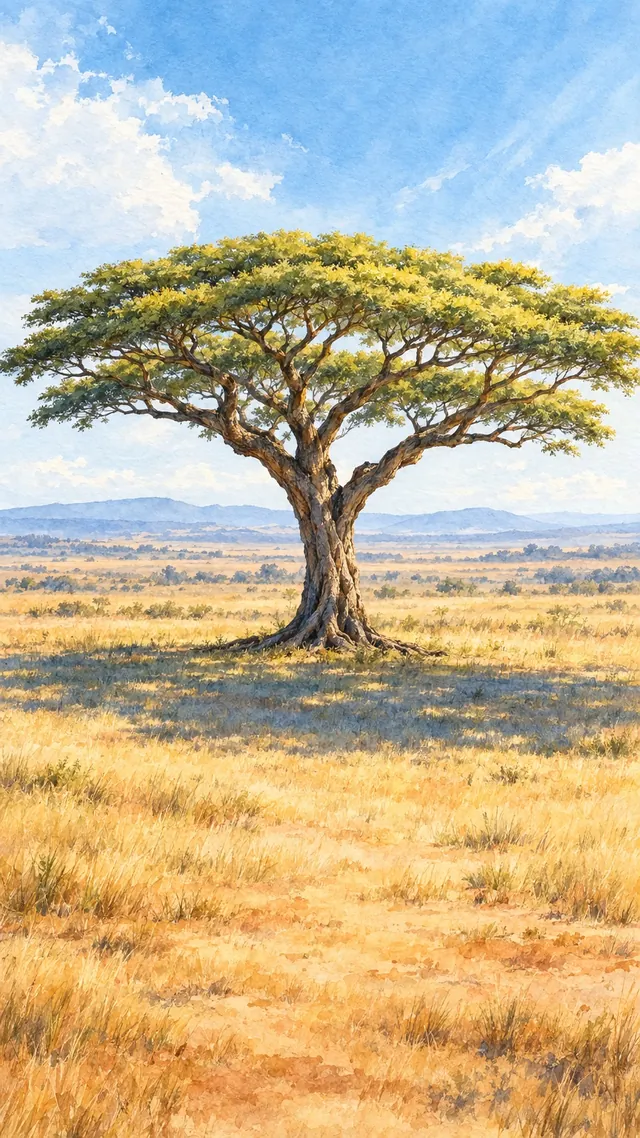
Umbrella thorn acacia
Vachellia spp.
Its spreading crown makes a patch of shade on a sunny plain. For animals, this tree can offer somewhere to rest or something to eat.
Meet this species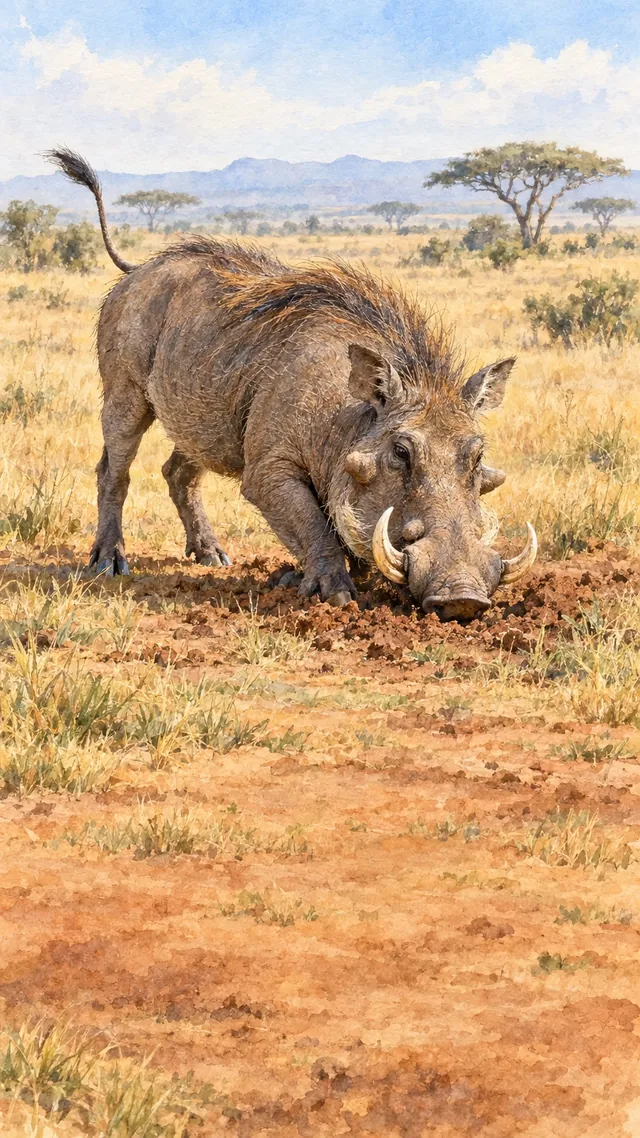
Warthog
Phacochoerus africanus
A warthog may lower itself onto its front legs while feeding. A nearby burrow gives this busy forager somewhere to shelter.
Meet this speciesSources
- Capybara habitat, behaviour and predators, Animal Diversity Web
- Capybara anatomy and group life, San Diego Zoo Wildlife Alliance
Reviewed by Nature Reach on 17/10/2026.