 Nature Reach
A fruit-eater with a striking bill
Follow the toucan through the treetops
Ramphastos ambiguus
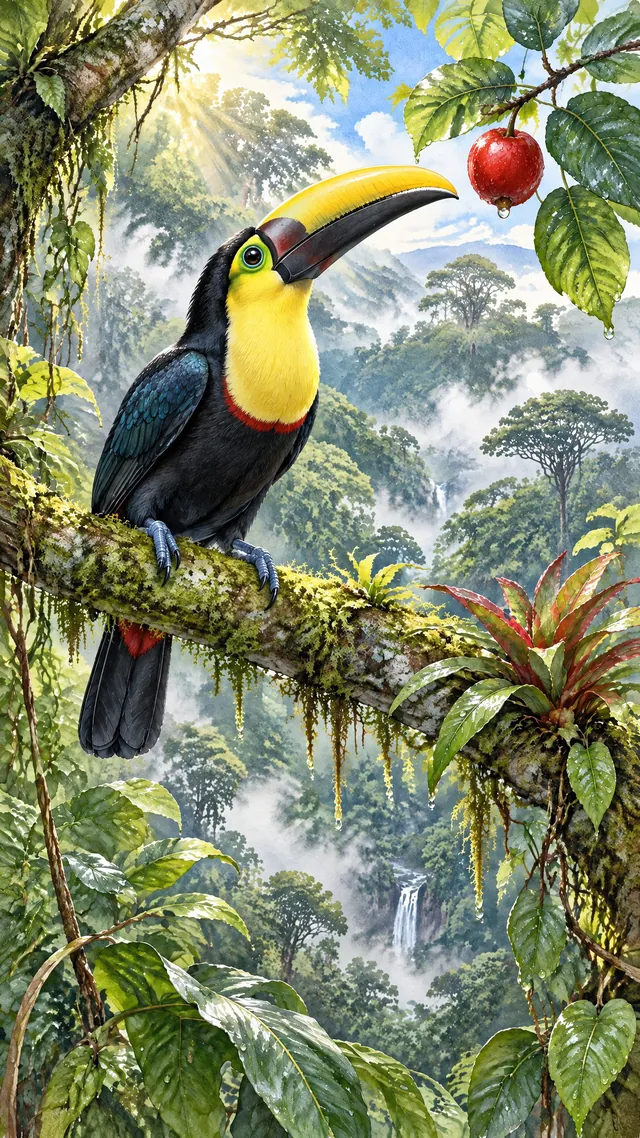
A toucan reaches towards a fruit with its large bill. After the meal, some of the fruit’s seeds can travel with the bird to another part of the forest.
Listen in Nature Reach
These are the same real voice recordings children hear in the app.
Forest canopies in the western Amazon
The app’s toucan represents the yellow-throated toucan, Ramphastos ambiguus, in its black-mandibled form. Its range reaches Peru; this page places it in the western Amazon, without suggesting that it occurs throughout the entire Amazon basin.
Eating fruit and moving seeds
Toucans live in the canopy and use their large bills to pick and eat fruit. After eating fruit, they spread seeds to other parts of the forest.
Three things to notice
- The yellow-throated toucan has a yellow face and throat, with a bill that is yellow above and dark below.
- A toucan’s large bill is lighter than it looks and helps the bird reach fruit on branches.
- Fruit makes up most of this toucan’s diet, but it also eats insects and some small animals.
Fruit to eat and tree hollows for nests
Feeding on fruiting trees
Canopy trees provide fruit for toucans. By carrying seeds away after feeding, the birds help disperse the trees’ seeds through the forest.
Nesting in tree hollows
Yellow-throated toucans nest in hollows formed as wood decays. These natural cavities provide nesting places inside trees.
Find the toucan in Nature Reach
Open the free rainforest map and look for the toucan in the canopy. Tap to hear its name and introduction, then explore the treetops where it finds fruit.
Explore the rainforest

Meet another species

Sloth
Bradypus spp.
A sloth hangs beneath a branch, then reaches slowly towards the next one. The treetops provide both its leafy meals and much of its living space.
Meet this species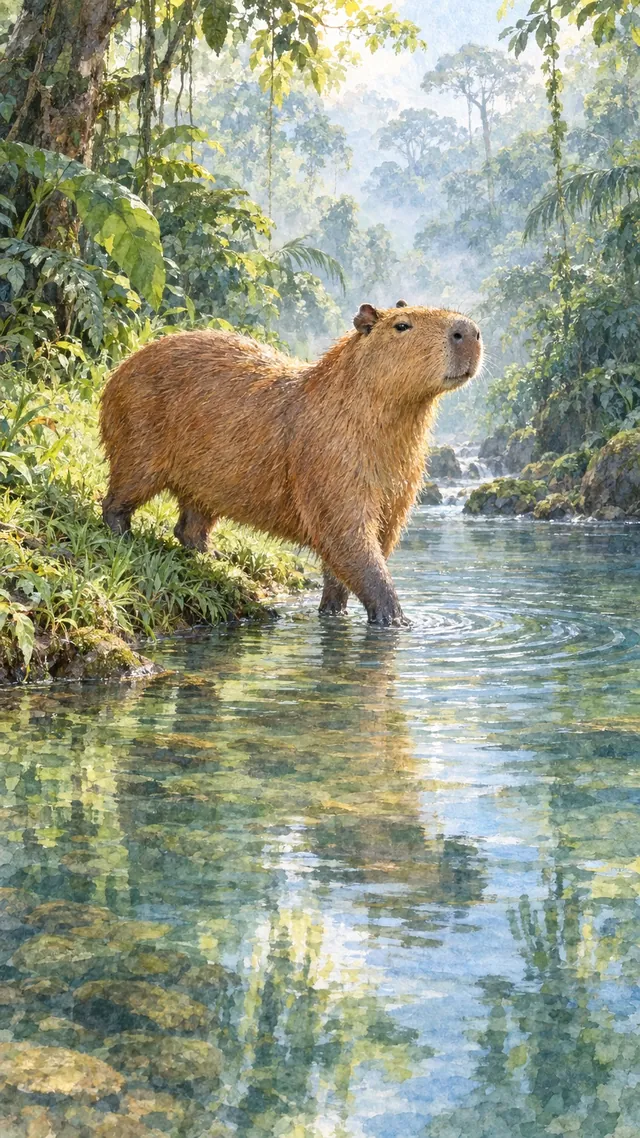
Capybara
Hydrochoerus hydrochaeris
A capybara grazes on the bank, then steps into the water. Food on land and a place to swim are both important parts of its home.
Meet this species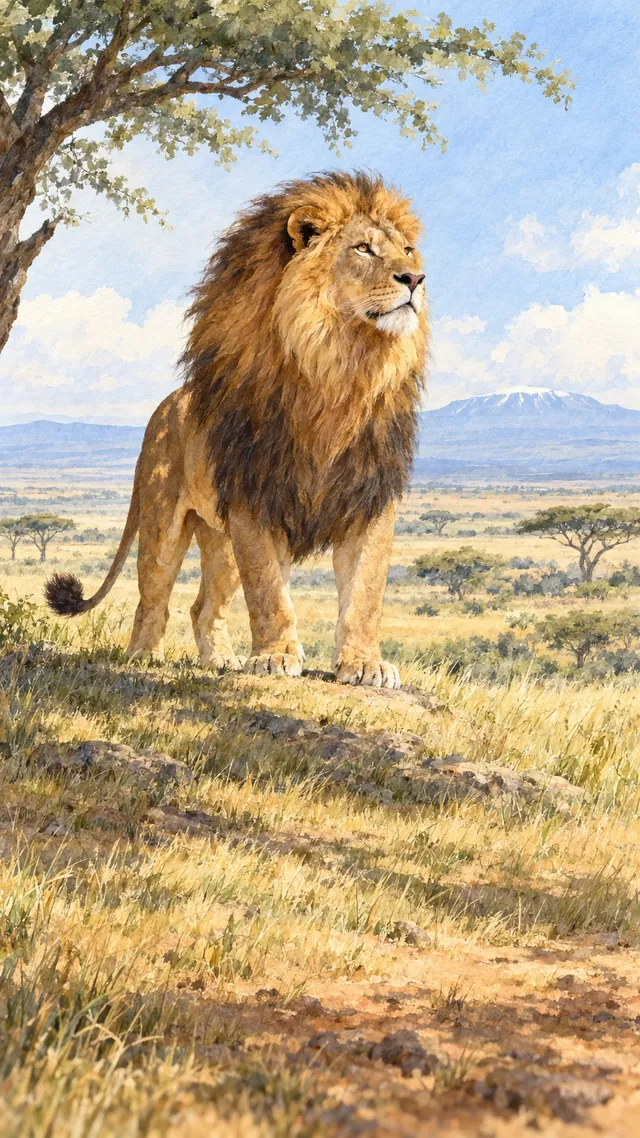
Lion
Panthera leo
A lion resting under a tree gives us one glimpse of its day. Later, as daylight fades, the pride may become much more active.
Meet this species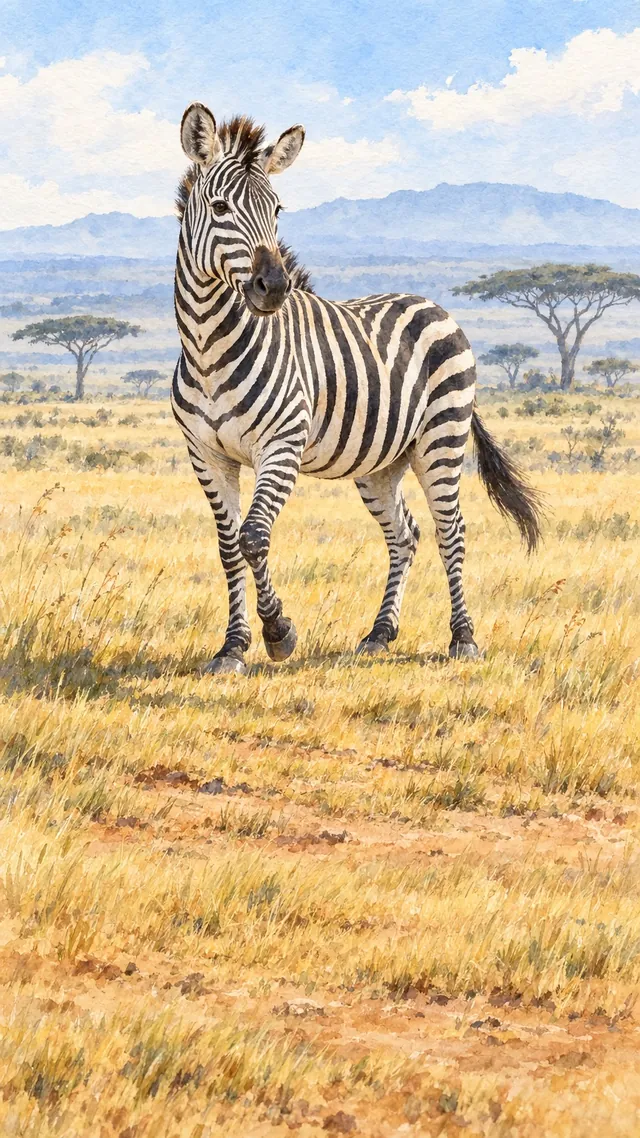
Zebra
Equus quagga
A zebra's coat is covered in stripes, but the pattern is its own. Look beyond the stripes to discover a life spent grazing and moving with other zebras.
Meet this species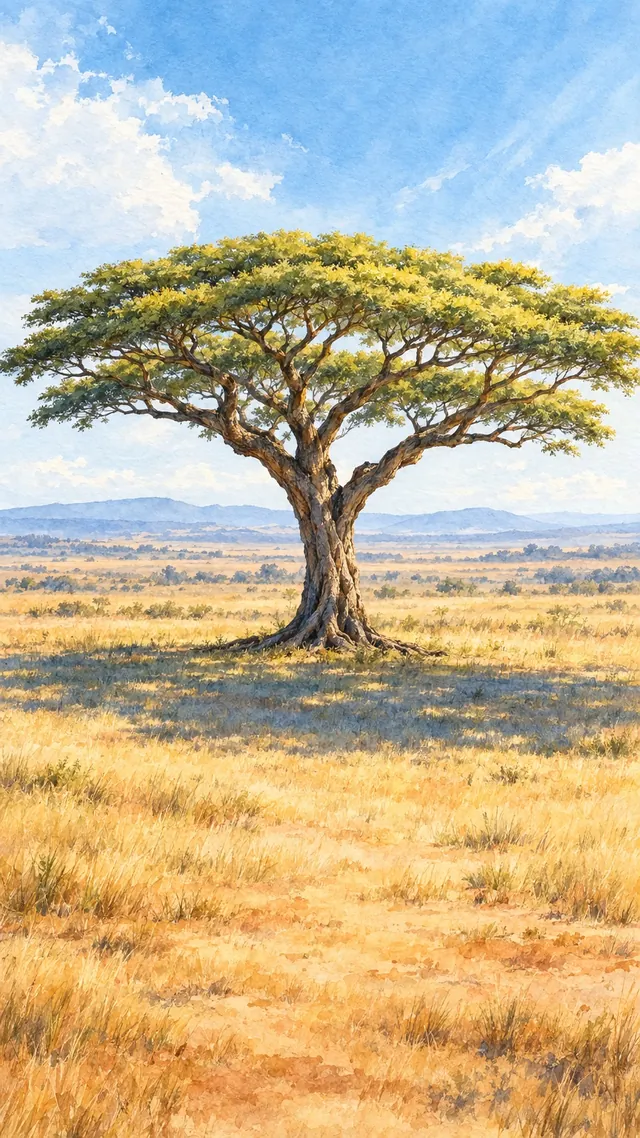
Umbrella thorn acacia
Vachellia spp.
Its spreading crown makes a patch of shade on a sunny plain. For animals, this tree can offer somewhere to rest or something to eat.
Meet this species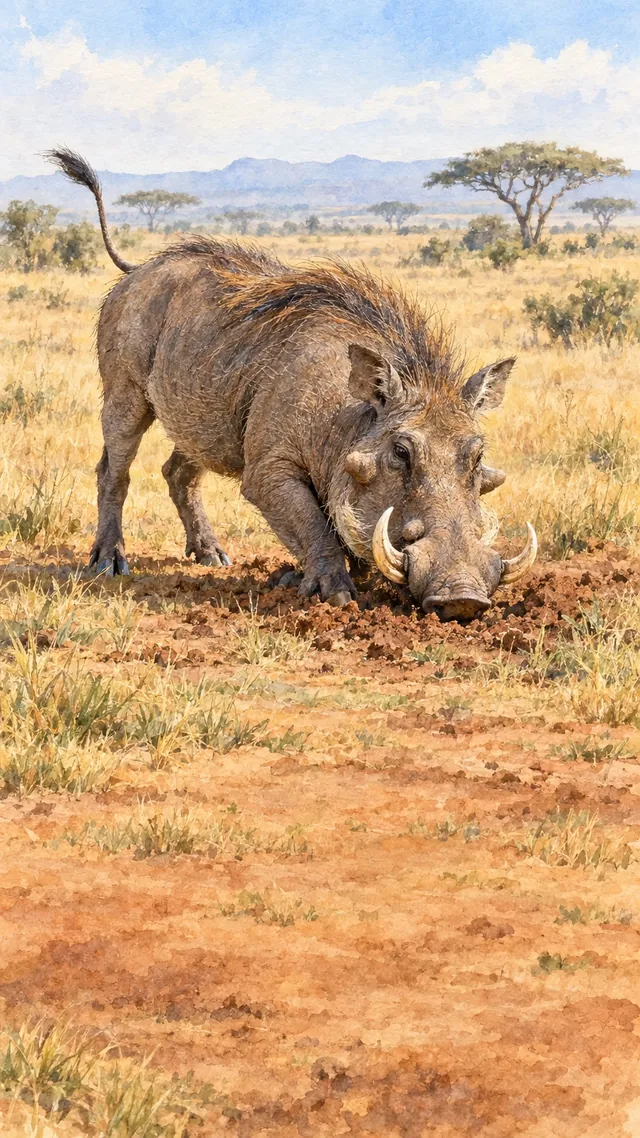
Warthog
Phacochoerus africanus
A warthog may lower itself onto its front legs while feeding. A nearby burrow gives this busy forager somewhere to shelter.
Meet this speciesSources
- Yellow-throated toucan identification, Cornell Lab of Ornithology eBird
- Ramphastos ambiguus habitat, diet and nesting, Animal Diversity Web
Reviewed by Nature Reach on 17/10/2026.